Buying precious metals can feel straightforward until you begin comparing dealers, products, prices, and transaction terms. A reliable bullion dealer can make the process easier by providing clear information about the metal being sold and the costs involved. However, buyers still need to understand what they are purchasing and look closely at the details before completing a transaction.
Comparing Dealer Pricing
Price is often one of the first things buyers notice when searching for a dealer. Precious metals have market prices that change regularly, but physical products are commonly sold for more than the current value of the metal. The difference can include production costs, handling expenses, dealer overhead, and other charges connected with the transaction.
For that reason, comparing only the advertised price may not provide a complete picture. Buyers should look at the total amount they would actually pay, including shipping, payment fees, taxes when applicable, and other charges. A product with a slightly higher listed price could sometimes have lower additional costs, so comparing the full transaction is more useful.
Checking Dealer Credentials
Trust matters when purchasing valuable physical assets. A dealer should provide enough information for customers to understand who they are dealing with and where the business operates. Clear contact information, company details, transaction policies, and straightforward communication can help establish whether a dealer takes its responsibilities seriously.
Buyers can also look for information about the dealer’s history and reputation. Customer reviews may offer useful details about communication, shipping, product condition, and the general buying experience. However, reviews should not be the only source used to judge a business because individual experiences can vary.
Reviewing Product Information
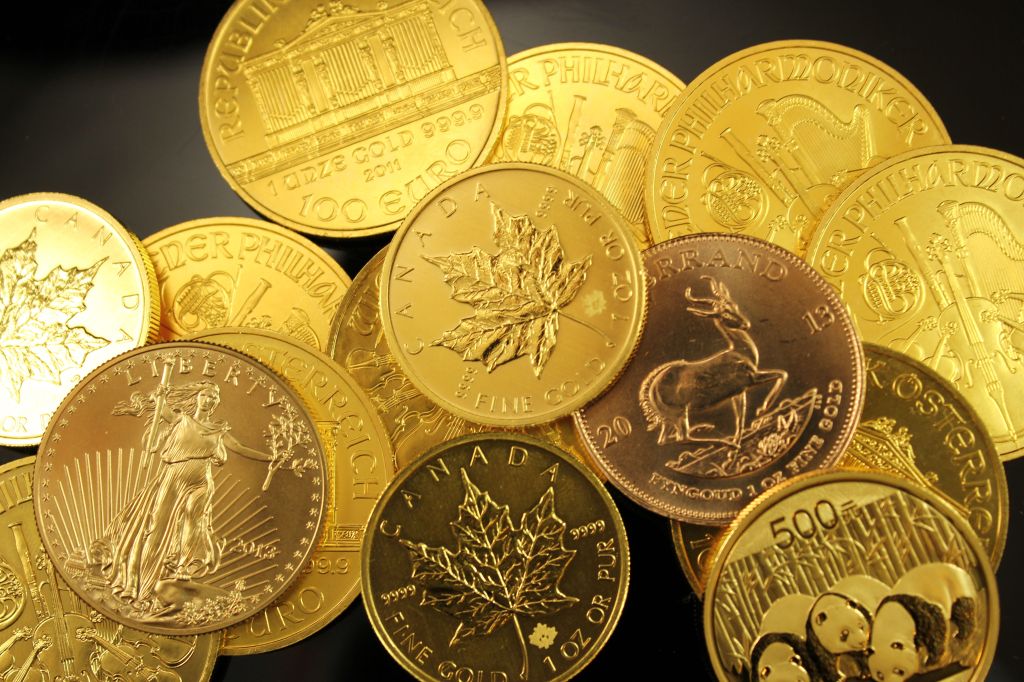
Not all precious metal products are the same. Gold and silver bars can come in different weights and purity levels, while coins may have additional value based on their issuing mint, age, design, or rarity. Buyers should know exactly what they are purchasing rather than relying on a product’s general description.
Product information should clearly state the metal, weight, and purity. Depending on the item, additional details may include the manufacturer, mint, year, serial number, or packaging information. These details can help buyers compare similar products and determine whether the asking price makes sense.
It is also important to distinguish investment value from collector value. A common gold or silver product may be valued mainly according to its metal content, while a rare coin may trade at a much higher price because collectors want it. Understanding this difference can prevent confusion when comparing products with very different prices.
Understanding Bullion Premiums
The market price of gold or silver is not always the same as the price of a physical product. Dealers generally add a premium to cover the costs connected with obtaining, refining, producing, storing, and selling precious metals. The size of that premium can vary based on the product and current market conditions.
Smaller products can sometimes have higher premiums compared with larger pieces because manufacturing and handling costs represent a larger share of the item’s total value. Collectible coins can also carry additional premiums because their value may involve design, scarcity, or collector interest.
When comparing bullion, buyers should therefore look at the relationship between the metal’s market value and the dealer’s asking price. This provides a better basis for comparison than simply looking at the final price without considering the amount and purity of metal included.
Evaluating Buying Policies
A dealer’s policies can have a major effect on the buying experience. Before placing an order, customers should understand accepted payment methods, shipping arrangements, insurance options, cancellation rules, return conditions, and any deadlines that apply to the transaction.
Payment terms deserve particular attention because some methods may involve additional fees or different processing times. Likewise, shipping policies can vary depending on the size and value of an order. Understanding these details ahead of time can prevent unpleasant surprises after payment has been made.
Return policies also deserve a careful read. Precious metal prices can change quickly, and some products may have different return conditions based on market movements. A clear policy should explain what happens if a customer needs to cancel or return an order and whether any fees apply.
Making an Informed Dealer Choice
A precious metal purchase involves more than selecting gold or silver and submitting payment. The dealer plays an important role in the transaction, which makes research worthwhile. Buyers should compare prices, verify product details, review policies, consider storage, and understand what happens if they later decide to sell.
The goal is not necessarily to find the most expensive dealer or the cheapest one. Instead, buyers should look for a business that provides clear information, reasonable terms, and a straightforward transaction process. With careful comparison and realistic expectations, choosing a dealer becomes a more manageable part of buying physical precious metals.


Leave a Reply