Author: rsranasultan0000

  • Crypto Recovery Case Study Real World Examples and Investigation Outcomes

    Crypto Recovery Case Study Real World Examples and Investigation Outcomes

    In the evolving world of digital assets, Crypto recovery case study insights have become essential for understanding how stolen or lost cryptocurrency can sometimes be traced, recovered, and legally resolved through coordinated investigations involving blockchain analytics, law enforcement agencies, and cybersecurity experts. As cryptocurrency adoption grows, so does the sophistication of scams, hacks, and phishing attacks, making recovery efforts increasingly complex yet more structured than ever before.

    Understanding Crypto Recovery Investigations

    Crypto recovery investigations typically begin when victims report unauthorized transactions or wallet compromises. Unlike traditional banking systems, blockchain transactions are irreversible, which means investigators cannot simply “reverse” transfers. Instead, they rely on tracing funds across blockchain networks to identify patterns, clusters of addresses, and potential off-ramps where criminals convert crypto into fiat currency.

    A key aspect of these investigations is blockchain transparency. Every transaction on public blockchains such as Bitcoin and Ethereum is recorded on a distributed ledger. Investigators use this transparency to follow the movement of funds across wallets. However, criminals often use mixers, privacy coins, and cross-chain bridges to obscure transaction paths.

    This is where blockchain analytics firms play a vital role. Companies like Chainalysis and Elliptic specialize in mapping transaction flows and identifying suspicious behavior. Their tools cluster wallet addresses, flag high-risk transactions, and provide actionable intelligence to both private victims and law enforcement agencies.

    How Blockchain Tracing Works

    Blockchain tracing is the backbone of modern crypto investigations. It involves analyzing transaction histories, wallet relationships, and behavioral patterns. Investigators often start with a known compromised wallet address and track outgoing transactions step by step.

    Advanced software tools visualize these transactions as graphs, where nodes represent wallets and edges represent transfers. This helps investigators detect “peeling chains,” where hackers gradually move funds through multiple wallets to avoid detection.

    Heuristic analysis is also used to group addresses likely controlled by the same entity. For example, if multiple wallets consistently send funds to a single consolidation address, they may be linked to a centralized exchange or laundering operation.

    Law enforcement agencies such as the Federal Bureau of Investigation (FBI) and INTERPOL increasingly collaborate with blockchain intelligence companies. This partnership allows them to subpoena exchange records when stolen funds are deposited into regulated platforms, often leading to the identification of real-world suspects.

    Real-World Case Study Examples

    One notable recovery scenario involved a phishing attack targeting retail crypto investors. Victims were tricked into revealing private keys through fake wallet interfaces. Once funds were stolen, investigators quickly traced transactions using blockchain analytics tools. The stolen assets were moved through multiple wallets and eventually deposited into a centralized exchange. By working with the exchange’s compliance team, authorities were able to freeze the assets before withdrawal.

    In another case, a ransomware group demanded payment in Bitcoin after encrypting corporate data. Initially, the attackers believed the payment was untraceable. However, investigators followed the ransom payment through several intermediary wallets. Using clustering analysis, they identified a pattern that linked multiple ransomware campaigns to a single group operating across different regions. This intelligence helped authorities dismantle parts of the operation and seize digital infrastructure.

    A third example involves DeFi protocol exploits. Hackers exploited smart contract vulnerabilities to drain liquidity pools. In this case, the funds were rapidly swapped across decentralized exchanges and bridged to other blockchains. Despite the complexity, investigators used time-based correlation analysis to reconstruct the movement of assets. Some funds were ultimately frozen when they entered compliant exchanges, while others remained unrecovered due to cross-chain obfuscation.

    These examples highlight that recovery success often depends on speed, cooperation from exchanges, and the sophistication of laundering techniques used by attackers.

    Tools and Technologies Used in Investigations

    Modern crypto investigations rely heavily on specialized tools. Blockchain analytics platforms provide dashboards that allow investigators to monitor suspicious addresses in real time. These systems assign risk scores to wallets based on historical activity and exposure to illicit markets.

    Artificial intelligence and machine learning are increasingly integrated into these platforms. They help detect anomalies that would be difficult for humans to identify manually. For example, sudden spikes in transaction frequency or unusual wallet interaction patterns may indicate laundering activity.

    In addition, open-source intelligence (OSINT) plays a supporting role. Investigators often correlate blockchain data with social media activity, forum posts, and leaked databases to build a more complete picture of suspects.

    Cold storage tracking and exchange compliance systems also contribute significantly. When stolen funds reach regulated exchanges, Know Your Customer (KYC) policies can help identify the individuals attempting to cash out.

    Law Enforcement Outcomes

    Law enforcement outcomes in crypto recovery cases vary widely depending on jurisdiction, timing, and the complexity of the crime. In successful cases, stolen assets are frozen, seized, and eventually returned to victims through court orders. In other cases, partial recovery is achieved when only a portion of funds can be traced to identifiable entities.

    International cooperation is often required because crypto crimes frequently cross borders. Agencies such as the FBI and INTERPOL coordinate with local police forces and cybersecurity units to track suspects and seize digital infrastructure.

    In some landmark cases, entire ransomware groups have been dismantled, and millions of dollars in digital assets have been recovered. However, prosecution remains challenging due to the pseudonymous nature of blockchain addresses and the use of privacy-enhancing technologies.

    Challenges in Crypto Asset Recovery

    Despite advancements in blockchain analytics, several challenges remain. One major issue is the use of mixing services that break transaction trails by pooling and redistributing funds. Privacy coins also present significant obstacles due to their built-in anonymization features.

    Cross-chain bridging adds another layer of complexity. Criminals can move assets between different blockchains, making it difficult to maintain a continuous tracking record. Additionally, decentralized exchanges often lack strict identity verification, allowing attackers to swap assets without immediate detection.

    Legal inconsistencies across jurisdictions further complicate recovery efforts. Some countries have robust crypto regulations, while others lack clear frameworks for asset seizure and cooperation.

    Best Practices for Victims

    Victims of crypto theft can improve their chances of recovery by acting quickly and documenting all relevant transaction details. Reporting incidents immediately to exchanges, law enforcement, and blockchain analytics firms increases the likelihood of freezing stolen assets.

    Using hardware wallets, enabling multi-factor authentication, and verifying smart contract interactions can significantly reduce the risk of compromise. Education remains one of the most effective tools in preventing crypto-related fraud.

    It is also recommended to avoid interacting with unknown recovery services that promise guaranteed fund retrieval, as many of these are secondary scams targeting already affected victims.

    The Future of Crypto Investigations

    The future of crypto investigations is likely to be shaped by stronger regulatory frameworks, improved analytics tools, and deeper collaboration between private and public sectors. Artificial intelligence will continue to enhance transaction monitoring, while global regulatory alignment may streamline cross-border enforcement.

    We are also likely to see more proactive security measures integrated directly into blockchain protocols, such as built-in fraud detection layers and enhanced identity verification for high-value transfers.

    As the ecosystem matures, recovery success rates may improve, but so will the sophistication of cybercriminal tactics. This ongoing competition between attackers and investigators will define the next phase of digital asset security.

    In conclusion, Crypto recovery case study analysis demonstrates that while blockchain technology introduces irreversible transaction challenges, it also provides unprecedented transparency that can be leveraged for forensic investigation, asset tracing, and partial or full recovery of stolen funds when coordinated effectively across technological and legal systems.

  • When the Server is Breached: Response and Recovery from a Discord Admin Hack or Nitro Scam

    When the Server is Breached: Response and Recovery from a Discord Admin Hack or Nitro Scam

    The moment you realize your Discord server has been compromised—whether through a stolen administrator account, a cunning Nitro scam, or a malicious bot—can be paralyzing. Servers that have taken months or years to build can be wiped, flooded with spam, or used to scam loyal members within minutes. In the chaotic aftermath, many server owners frantically search for solutions, often stumbling upon services that claim to restore lost data or track down the attacker. One common query that emerges from this panic involves discord crypto hack recovery, reflecting how frequently these breaches target cryptocurrency communities and digital asset holders. But before diving into any external help, understanding the correct internal response and recovery steps is critical to minimizing damage and restoring trust.

    Understanding the Threat Landscape

    Discord breaches typically fall into several categories. The most devastating is a full administrative account takeover, where an attacker gains access to a server owner or admin’s credentials. This often happens through phishing links disguised as “free Nitro,” fake game downloads, or impersonation of Discord staff. Once inside, the hacker can delete channels, ban members, post malicious content, and even steal authentication tokens. Another common vector is a compromised bot token—if a bot with administrative permissions has its token exposed in a public code repository or through a developer’s mistake, attackers can use that token to control the server remotely.

    Nitro scams, on the other hand, usually target individual users but can cascade into server-wide disasters. A typical scam involves a direct message promising free Discord Nitro in exchange for clicking a link and “verifying” via a fake login page. When a user enters their credentials, the scammer hijacks their account and then uses that compromised account to spread the same scam across every server the user belongs to. If that user happens to be a moderator or admin, the entire server becomes vulnerable. Understanding these vectors is the first step in crafting an effective recovery plan.

    Immediate Triage: Stop the Bleeding

    When a breach is suspected, every second counts. The first action should be to lock down the server as much as possible while preserving evidence. If you still have access to any administrator account—even a secondary one—immediately change all server permissions. Set the server to “private” by disabling the “Join” link and revoking “Create Instant Invite” permissions for all roles except the owner. If the attacker is actively online and deleting things, you may need to temporarily remove all admin roles from everyone except yourself, then systematically kick any suspicious bots or user accounts.

    If you have lost access entirely because your primary account was compromised, use Discord’s account recovery process immediately. Go to the login screen, select “Forgot password?” and follow the steps to regain control. However, be aware that a sophisticated attacker may have changed the associated email address or enabled two-factor authentication (2FA) on your account. In such cases, you must contact Discord Support directly with proof of ownership (original email address, Discord ID, payment receipts for Nitro, etc.). While waiting for support, you can ask trusted members who still have access (e.g., other admins) to create a new temporary server and move critical conversations there.

    Identifying the Point of Compromise

    Once you’ve regained some level of control or at least halted active destruction, the next priority is forensics. How did the breach happen? Check the server’s audit log—Discord provides a detailed log of who did what, including role changes, channel deletions, bot additions, and member kicks. Look for actions taken by unfamiliar user IDs or by accounts that should not have had certain permissions. Pay special attention to any new bots added in the last 24-48 hours; many attacks involve installing a malicious bot that can execute commands or scrape member data.

    For individual account takeovers, review the compromised user’s authorized apps and web sessions. In Discord settings under “Authorized Apps,” revoke anything suspicious. Under “Sessions,” terminate all active sessions except your current one. Enable or re-enable two-factor authentication using an authenticator app (not SMS, which is vulnerable to SIM swapping). Also check for any webhooks that may have been created; webhooks can be used to silently export messages or post spam without appearing in the chat history. Go to Server Settings > Integrations and delete any webhooks you do not recognize.

    Communicating with Your Community

    A silent response can be as damaging as the hack itself. Members who see unusual activity—mass mentions, spam links, sudden kicks—will panic and may leave permanently. As soon as you have a stable channel of communication (e.g., a temporary “announcements” channel that the attacker cannot access, or a separate Discord server, Twitter, or Telegram group), issue a clear and honest statement. Acknowledge that a breach occurred, describe what actions you have taken so far, and tell members what they should do: change their own passwords, revoke authorized apps, enable 2FA, and avoid clicking any links sent from compromised accounts during the incident.

    If the breach involved a Nitro scam, warn everyone that any messages promising free Nitro are fraudulent. Advise members to report and block the compromised accounts. If the attacker deleted channels or messages, reassure your community that you are working on restoration. Do not assign blame publicly—instead, thank members for their patience and vigilance. Transparency builds trust; secrecy or denial will destroy it.

    Restoring Server Structure and Data

    Now comes the painstaking work of rebuilding. Unless you had a backup strategy in place, many things may be lost forever. Discord does not offer native server backups, but third-party bots like Xenon or Server Backup can save channel structures, roles, and permissions. If you used such a bot prior to the breach, restoration can be relatively quick. If not, you will need to manually recreate channels and roles. Use screenshots or cached pages from the Wayback Machine if you have them, or ask long-time members to help remember the original organization.

    For message history: unfortunately, deleted messages are usually unrecoverable unless you had a logging bot that stored them externally. Accept this loss and focus on moving forward. However, if the breach involved a crypto or NFT community and financial transactions were discussed, you may need to provide members with instructions on how to secure their wallets—never ask for private keys or seed phrases, and warn that any “recovery service” demanding such information is a secondary scam. This is where the term discord crypto hack recovery often appears in desperate searches, but legitimate recovery of stolen crypto is nearly impossible without law enforcement involvement. Instead, emphasize prevention and education.

    Rebuilding Security from the Ground Up

    A single breach is a painful lesson, but it also offers an opportunity to overhaul your server’s security architecture. Start by implementing the principle of least privilege: no role should have more permissions than absolutely necessary. Separate administrative duties—for example, have one role for “channel management,” another for “member moderation,” and a third for “bot management.” Never give a single person or bot all permissions. Use Discord’s built-in “Moderation” view and set up automated alerts for suspicious actions (e.g., mass role assignments or channel deletions).

    Two-factor authentication should be mandatory for all members with moderator or administrator roles. You can enforce this using Discord’s “Require 2FA” permission for specific actions like kicking, banning, or creating invites. Additionally, audit your bots regularly. Remove any bot that hasn’t been updated in months, and avoid using bots from unverified developers. Check bot permissions before inviting them—a bot that requests “Administrator” permission is a red flag unless it’s from a highly trusted source like Dyno or MEE6 (and even then, consider using a custom bot with limited scopes).

    Creating an Incident Response Plan

    Preparedness transforms chaos into controlled action. Write down a simple incident response plan for your server and share it with your admin team. The plan should include:

    • Who to contact first (primary owner, backup admins)
    • How to regain access if an account is compromised (Discord support links, backup email addresses)
    • A list of critical bots and their permissions
    • A procedure for creating a temporary “emergency” server
    • A communication template for notifying members

    Store this plan outside of Discord—for example, in a password manager or a physical notebook. Test the plan every few months by simulating a breach (e.g., “What if Alice’s account gets hacked right now?”). Run drills where you practice locking down the server, changing passwords, and revoking suspicious apps. The more familiar your team is with the process, the faster they will respond when a real attack occurs.

    Long-Term Recovery and Reputation Management

    Even after the technical issues are resolved, the social and emotional recovery takes time. Some members may have left during the breach and will not return unless personally invited. Reach out to trusted former moderators or active members and ask them to help spread the word that the server is safe again. Consider hosting a “returner’s event” or giveaway (without requiring any financial contribution, to avoid looking like a scam) to rebuild engagement.

    If the breach resulted in financial losses for members—for example, if a scammer posted a fake “wallet verification” link that drained funds—you have a moral obligation to be transparent about what happened. Provide a detailed post-mortem (what went wrong, how it was fixed, what changes have been made) and offer resources for reporting the crime to authorities like the FBI’s IC3 or local cybercrime units. While you cannot personally reimburse losses, your honesty will retain respect.

    Conclusion:

    No server owner ever wants to experience a breach, but the reality is that Discord’s popularity makes it a prime target for attackers. The difference between a server that collapses and one that emerges stronger lies entirely in the speed and intelligence of the response. By following the steps outlined here—immediate lockdown, forensic auditing, transparent communication, structural restoration, and security hardening—you can not only recover but also build a community that is far more resilient against future threats. And while external services may promise quick fixes, the most effective recovery comes from internal vigilance and a prepared team. For those who have suffered significant financial or data loss, seeking professional guidance through channels like discord crypto hack recovery may offer some direction, but always verify any third-party service thoroughly to avoid falling victim to a secondary scam. Ultimately, the best defense is a proactive, educated community that knows how to recognize phishing, respect permissions, and act decisively when the worst happens.

  • Investing in Land: How to Secure the Perfect Plot for Your Needs

    Investing in Land: How to Secure the Perfect Plot for Your Needs

    Buying a plot of land is one of the most important investments you can make. Whether you are planning to build your dream home, start a business, or simply hold it as an investment, choosing the right land requires careful consideration. Unlike buying a house, land purchases involve more variables, such as zoning, accessibility, and future developments in the area. It’s crucial to understand what you are looking for and how the property fits into your long-term plans.

    Taking the time to research and plan can save you headaches and costly mistakes. Working with knowledgeable professionals ensures you make informed decisions. Even small details like soil quality or topography can have a significant impact on your project.

    Determine Your Purpose and Budget

    The first step in buying land is identifying your purpose. Are you looking to build a home, invest for the future, or start a commercial project? Your purpose will guide your search and help you focus on plots that meet your goals. Setting a realistic budget is equally important, including the purchase price, taxes, permits, and potential development costs.

    Researching comparable land prices in your desired area can help you avoid overpaying. Don’t forget to account for unexpected expenses, as land development can be unpredictable. Planning ahead ensures your investment aligns with both your financial and personal goals. Clear objectives make the buying process more structured and manageable.

    Research the Location Thoroughly

    Location is arguably the most critical factor when choosing a plot of land. Consider proximity to schools, hospitals, shopping areas, and transportation hubs if you plan to develop the property. Study the neighborhood’s growth potential and any upcoming infrastructure projects that may affect property value.

    Pay attention to environmental factors such as flood zones or erosion-prone areas. Local zoning laws and regulations can limit what you are allowed to build, so understanding them early is key. Visiting the site multiple times at different hours of the day can give you a clearer perspective. The right location can significantly increase both the usability and resale value of your land.

    Evaluate Land Features and Accessibility

    Beyond location, the physical features of the land are essential. Check the soil quality, terrain, slope, and drainage, as these can affect construction feasibility and costs. Accessibility matters too—ensure there are proper roads and connections to main highways. Utility availability, such as electricity, water, and internet, should be verified before making a purchase.

    Natural features like trees, water sources, and scenic views can add value but may also require extra maintenance. Understanding these details upfront prevents surprises later. Having a professional assess the land can be a worthwhile investment for your peace of mind.

    Understand Legal Considerations

    Before finalizing any purchase, legal matters must be clarified. Ensure the property has a clear title, and verify there are no liens, disputes, or encumbrances. Research local regulations, zoning laws, and building permits required for your intended use.

    A thorough legal review protects you from future complications and ensures your investment is secure. Understanding tax obligations and any associated fees is also important. In some cases, hiring a lawyer or consulting with land experts can save time and reduce risks. Legal diligence is as critical as physical inspection when investing in land.

    Work with Experienced Professionals

    Working with experts can simplify the land-buying process significantly. Real estate agents, surveyors, and legal advisors provide guidance that helps you avoid common mistakes. For example, companies like Milburn Properties can help you get secure investment by guiding you throughout the process, making sure all considerations are addressed. They can offer insights into market trends, negotiate favorable terms, and ensure compliance with local regulations.

    Professionals also assist with documentation, inspections, and valuation. Their experience can make the process faster and less stressful. Ultimately, having trusted experts on your side increases your confidence and protects your investment.

    Plan for Future Growth and Development

    When purchasing land, think beyond your immediate needs. Consider how the area may develop over the next five to ten years and how that could impact property value. Infrastructure projects, new schools, and commercial zones can enhance your investment over time. Planning for long-term growth ensures that your land remains valuable and versatile.

    Even if you don’t intend to build immediately, knowing future potential can influence your buying decision. Researching development plans and community trends can provide insights into smart investment choices. Strategic foresight helps you maximize the benefits of your land purchase.

    Final Thoughts on Land Investment

    Investing in land is a rewarding venture when approached thoughtfully. It requires research, careful planning, and collaboration with knowledgeable professionals. Each decision, from location to legal considerations, affects your long-term success. Taking the time to evaluate your needs, the land’s features, and market trends ensures a secure investment.

    Remember that land can offer both financial returns and personal satisfaction when chosen wisely. With careful planning and the right guidance, you can secure the perfect plot to meet your goals. Every step you take now lays the foundation for a prosperous and hassle-free future in land ownership.

  • Why Realtors Often Recommend a HELOC for Homebuyers

    Why Realtors Often Recommend a HELOC for Homebuyers

    Buying a home is one of the most significant financial decisions many people make in their lives. Realtors often suggest tools and strategies to make the process smoother, and one such tool is a Home Equity Line of Credit, or HELOC. While it may sound complicated, a HELOC can be a practical solution for buyers looking for flexibility in financing.

    In this article, we’ll explore why realtors often recommend it and how it can help buyers make smart moves. Understanding the benefits and considerations of a HELOC can put you in a better position when purchasing a property. From bridging the gap between buying and selling to funding renovations, it has multiple applications. Let’s break down the key reasons why realtors see value in this option.

    Provides Flexibility for Homebuyers

    One of the main reasons realtors recommend a HELOC is the flexibility it provides. Unlike a traditional loan with fixed payments, a HELOC allows homeowners to borrow as needed, up to a certain limit. This flexibility can be helpful when managing the timing of a home purchase or sale. For instance, if you need to make a down payment on a new property before selling your current home, a HELOC can temporarily cover the gap. It can also help cover unexpected expenses during the buying process.

    If you want to better understand how a HELOC works in different scenarios, you can look at more info from trusted real estate resources to see how it might fit your needs. Working closely with a realtor can also ensure the HELOC is used effectively and can give buyers peace of mind when making big decisions. It also allows homeowners to plan ahead and take advantage of opportunities without unnecessary stress.

    Helps With Renovation and Home Improvements

    Another reason realtors suggest considering a HELOC is for funding home improvements. Many buyers want to make updates to a property immediately after purchase. Using a HELOC can give homeowners access to funds for renovations without needing to take out a separate loan. This approach can increase the property’s value and make it more personalized.

    Realtors often point out that buyers who plan for upgrades in advance can save both time and money. A HELOC provides a convenient way to manage these costs over time. It also avoids dipping into savings or high-interest credit options.

    Bridges the Gap Between Buying and Selling

    Timing is a critical factor in real estate transactions, and a HELOC can be a helpful bridge. Many buyers face situations where they want to purchase a new home before their current one sells. A HELOC allows them to access funds from their existing home to make a down payment on a new property.

    Realtors often recommend this to clients who want to take advantage of a great opportunity without waiting months for a sale. It reduces the pressure to rush the selling process or compromise on price. This strategy can make buying and selling feel less stressful overall. With proper planning, it ensures buyers have financial resources when they need them most.

    Offers Lower Interest Rates Compared to Other Options

    One of the attractive features of a HELOC is its typically lower interest rate. Compared to credit cards or personal loans, HELOC rates are often more favorable. This makes borrowing for a home purchase or renovations more affordable. Realtors appreciate that buyers can manage larger expenses without accumulating high-interest debt. The variable rate can be advantageous for those who plan to repay the borrowed amount quickly.

    Additionally, interest may be tax-deductible in some cases, which adds another benefit. Understanding the rates and repayment terms is essential for making the most of this tool.

    Encourages Smart Financial Planning

    Using a HELOC responsibly can encourage better financial planning for homebuyers. Realtors often highlight how it helps buyers evaluate budgets, expenses, and priorities. Accessing funds in a controlled way teaches clients to manage debt effectively. It also helps buyers plan for future property investments or unexpected repairs.

    A HELOC can be part of a broader financial strategy, allowing for growth without overextending. Realtors who guide clients through this process add value by helping them make informed decisions. Buyers can feel empowered knowing they have a practical tool to support their homeownership journey.

    Provides a Safety Net in Uncertain Markets

    Real estate markets can be unpredictable, and a HELOC provides a valuable safety net. When housing prices fluctuate, buyers may need quick access to funds to secure a property. Having a HELOC in place allows homeowners to act confidently without waiting for long approval processes.

    Realtors often recommend it to clients who want to move fast in competitive areas. This financial cushion can reduce stress during negotiations or bidding wars. It also helps families manage unexpected expenses like repairs or temporary housing. With a HELOC, buyers can navigate market uncertainty more strategically and safely.

    Supports Investment Opportunities

    Some buyers use a HELOC to invest in additional properties or improve rental units. Realtors recognize that strategic use of home equity can open doors to income-generating opportunities. Accessing these funds allows buyers to diversify investments without relying solely on savings. Using a HELOC for investment purposes requires careful planning to avoid over-leveraging.

    Realtors can provide guidance on balancing risk with potential reward. A well-managed HELOC can help clients build long-term wealth while staying financially stable. This makes it a valuable tool not just for purchasing a primary home but for future growth as well.

    Conclusion

    A HELOC can be a versatile financial tool that many realtors recommend for homebuyers. It provides flexibility, helps fund renovations, bridges timing gaps, offers favorable interest rates, and even acts as a safety net. Additionally, it encourages thoughtful financial planning and can support investment opportunities. Before pursuing a HELOC, it’s important to understand the terms, repayment options, and how it fits into your overall home-buying plan. Ultimately, it’s about creating opportunities for a smooth and successful homeownership experience.

  • Crypto Phishing Scams: How to Request a Refund and Protect Your Investment

    In the rapidly evolving digital asset space, cryptocurrency investors face numerous threats, with phishing scams being one of the most prevalent and damaging. These scams often trick users into revealing private keys or login credentials through fake websites, emails, or social engineering tactics. The consequences can be devastating, resulting in the loss of entire digital wallets. If you’ve fallen victim to a crypto phishing scam, it’s essential to act quickly, understand your recovery options, and implement safeguards to prevent future incidents.


    Understanding Crypto Phishing Scams

    Crypto phishing scams are deceptive tactics used by cybercriminals to gain access to your digital wallet or exchange account. Unlike traditional malware attacks, phishing relies on human error. Scammers impersonate legitimate platforms like crypto exchanges, wallet providers, or customer service agents to trick victims into revealing sensitive information.

    Common types of phishing include:

    • Email Phishing: Messages that appear to be from trusted platforms asking users to verify their account or reset passwords.
    • Fake Wallet Apps: Malicious apps on mobile app stores that steal credentials.
    • Phishing Websites: Lookalike sites with similar domain names and interfaces to deceive users.
    • Social Media Impersonation: Scammers posing as support staff in Telegram, Discord, or Twitter to request wallet access.

    These attacks are often well-crafted and may even include fake testimonials or links that redirect to real websites after stealing user data.


    First Steps After a Phishing Attack

    If you suspect you’ve fallen for a phishing scam, time is of the essence. The faster you respond, the greater the chance of minimizing your losses.

    1. Revoke Access and Transfer Funds: Immediately transfer any remaining funds from the compromised wallet to a secure address. Use platforms like Revoke.cash to remove access permissions granted to malicious contracts.
    2. Change All Credentials: If the attack involved login information for a centralized exchange, update your email and password, enable 2FA (two-factor authentication), and alert the exchange’s security team.
    3. Document Everything: Keep records of the phishing email, URLs involved, wallet addresses, and transaction hashes. This information will be vital when requesting assistance or pursuing a crypto phishing scam refund.

    How to Request a Refund After a Phishing Scam

    Recovering funds from a phishing scam can be challenging due to the decentralized and anonymous nature of blockchain transactions. However, some avenues may provide relief:

    1. Contact Your Exchange: If the scammer transferred your funds to a centralized exchange, contact the exchange immediately with all relevant information. They may be able to freeze the associated account before funds are withdrawn.
    2. Work With Blockchain Forensics Firms: Companies specializing in crypto fraud investigation can trace stolen funds and, in most cases, assist in legal processes to recover them.
    3. File a Police Report and Regulatory Complaint: Notify your local cybercrime unit and financial regulatory bodies. In many countries, filing a report creates a formal record that could support any civil or criminal case down the line.
    4. Seek Legal Advice: If the scam involved significant amounts, consult a legal professional specializing in digital assets and online fraud. Class actions or restitution efforts may be available in some jurisdictions.

    While requesting a crypto phishing scam refund is not guaranteed, especially with completely decentralized thefts, coordinated action can increase the chances of partial or full recovery.


    Tools and Platforms That Can Help

    Several organizations and tools can support victims of phishing attacks:

    • Chainalysis and CipherTrace: Blockchain analytics firms that help trace stolen funds.
    • Scamwatch, IC3, and Action Fraud: Reporting platforms for internet crime depending on your country.
    • MetaMask Support, Trust Wallet, and others: If you used a known wallet, reach out to their official channels for guidance.

    Always ensure you’re contacting legitimate sources to avoid falling into a second scam disguised as a recovery service.


    How to Protect Yourself from Future Scams

    Prevention remains the most effective defense against phishing scams. Here are key strategies to secure your crypto investments:

    • Always verify URLs and sources before clicking any link or entering login details.
    • Use hardware wallets for storing significant amounts of cryptocurrency.
    • Avoid sharing private keys or seed phrases—no legitimate platform will ask for them.
    • Bookmark official websites of frequently used exchanges and wallets.
    • Be skeptical of unsolicited messages offering investment opportunities or urgent account issues.

    Ongoing education and digital hygiene are essential in staying ahead of cybercriminals in the crypto space.


    Conclusion

    Crypto phishing scams are a serious threat in today’s decentralized economy, with tactics becoming increasingly sophisticated. If you’ve been affected, acting swiftly and strategically can improve your chances of recovering lost funds. While not all cases will result in a crypto phishing scam refund, documenting the incident, reporting to authorities, and working with professionals can make a significant difference. Visit RadleyFinance.com for further Information and Assistance.

    As the crypto landscape continues to grow, staying informed, adopting best security practices, and using trusted platforms are your best lines of defense. Your awareness and vigilance could be the key to protecting your digital assets in 2025 and beyond.

  • Bridging the Wealth Gap: Tech-Driven Solutions for Financial Inclusion

    Bridging the Wealth Gap: Tech-Driven Solutions for Financial Inclusion

    In the 21st century, technology has transformed nearly every aspect of our lives, from how we communicate to how we bank. Yet, despite the digital revolution, the global wealth gap continues to widen, leaving billions without access to the financial tools and resources they need to thrive. The solution? Harnessing the power of tech to build a more inclusive, equitable financial future.

    This is where innovation meets impact.

    What Is the Wealth Gap?

    The wealth gap refers to the disparity in assets, income, and financial opportunities between individuals or groups often divided by class, geography, race, or gender. While this gap is rooted in historical and systemic inequalities, it is increasingly shaped by access to digital financial infrastructure.

    Those with access to banking, investment tools, and financial education grow their wealth. Those without fall further behind.

    Why Financial Inclusion Matters

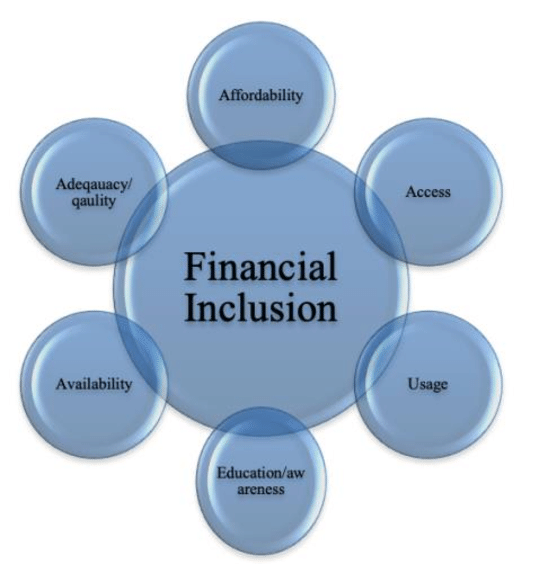
    Financial inclusion means ensuring everyone—regardless of background—can access and effectively use affordable financial services like:

    • Bank accounts
    • Loans and credit
    • Insurance
    • Investment platforms
    • Financial education

    Inclusion doesn’t just help individuals—it strengthens entire communities, boosts local economies, and fuels long-term growth.

    When people can participate in the financial system, they can build stability, resilience, and generational wealth.

    How Tech Is Closing the Gap

    Innovative technologies are leveling the playing field in powerful ways. Here are some game-changers:

    1. Mobile Banking and Digital Wallets

    With just a smartphone, people in remote or underserved areas can:

    • Open accounts
    • Send and receive payments
    • Save and access microloans

    Platforms like M-Pesa, Venmo, and Cash App bring financial access to those outside traditional banking systems.

    2. Blockchain and Decentralized Finance (DeFi)

    Cryptocurrency and DeFi solutions offer:

    • Borderless transactions
    • Lower fees
    • Access without credit checks or paperwork

    This opens doors for people in developing nations or underbanked communities to store and grow their assets securely.

    3. AI and Personalized Finance Tools

    AI-powered apps like budgeting tools and robo-advisors:

    • Offer tailored financial advice
    • Help users manage debt
    • Guide them toward savings and investments

    These tools make wealth-building knowledge more accessible and less intimidating.

    4. EdTech for Financial Literacy

    Interactive platforms and apps provide bite-sized, practical financial education—breaking down complex topics like credit scores, taxes, investing, and loans for everyday users.

    Knowledge is power—and education is a key driver of inclusion.

    Barriers That Still Need Tackling

    Despite progress, challenges remain:

    • Digital literacy gaps
    • Limited internet or smartphone access
    • Distrust in financial institutions
    • Biases in credit algorithms

    Tech must be intentionally inclusive, designed with empathy and accessibility at its core.

    What the Future Could Look Like

    Imagine a world where:

    • A farmer in rural Kenya accesses a loan via mobile
    • A gig worker in the U.S. builds credit with real-time earnings tracking
    • A teenager learns investing basics through gamified finance apps
    • A refugee uses blockchain to securely store and transfer funds

    This isn’t wishful thinking—it’s already happening, and the future is in scaling these solutions globally.

    Final Thought: Inclusion Is Innovation

    Tech alone won’t solve inequality but when paired with ethical design, community input, and smart regulation, it becomes a catalyst for financial justice.

    Bridging the wealth gap isn’t just about money. It’s about opportunity, dignity, and choice. And with the right tools, everyone deserves a fair shot at financial freedom.

  • How Finquity Is Redefining Inclusive Finance for the Next Generation

    How Finquity Is Redefining Inclusive Finance for the Next Generation

    In an era where digital transformation shapes nearly every aspect of life, financial services are evolving fast. But while innovation surges forward, not everyone has been brought along for the ride. That’s where Finquity comes in—redefining inclusive finance for the next generation.

    At its core, Finquity isn’t just another fintech platform. It’s a movement built on the belief that access, understanding, and equity are essential for financial systems to truly serve everyone.

    Bridging the Financial Gap

    Millions of people around the world remain unbanked or underbanked, often due to lack of access, trust, or resources. Finquity tackles this head-on by:

    • Designing easy-to-use tools for people at all levels of financial literacy
    • Offering services in multiple languages and cultural contexts
    • Building mobile-first platforms to reach users in underserved or remote areas

    By meeting people where they are on their phones, in their communities, and within their comfort zones—Finquity is removing the barriers that have historically excluded many from participating in the financial system.

    Education Meets Empowerment

    Finquity understands that financial access means little without financial confidence. That’s why education is baked into every step of the user journey.

    From bite-sized lessons on credit and budgeting to personalized guidance on investments or savings goals, Finquity equips users not just to use financial tools, but to master them.

    When people understand their finances, they make smarter choices—and feel more empowered doing it.

    Built for the Future — Not Just the Few

    Where traditional systems were designed for the already-included, Finquity takes a different approach. Its technology is:

    • AI-powered and personalized to adapt to users’ goals
    • Transparent and ethical, putting users in control of their data
    • Built for impact, with features that encourage long-term wealth-building, not just short-term transactions

    Whether someone is building credit for the first time, starting a business, or managing gig income, Finquity provides a financial path that grows with them.

    Creating Community Through Finance

    Unlike faceless banks or impersonal apps, Finquity emphasizes community connection:

    • Peer-to-peer support and success stories
    • Localized outreach and partnerships
    • Feedback loops that shape new tools based on real needs

    This model creates trust—and trust is the currency that powers inclusive finance.

    The Next Generation Deserves Better

    Today’s young people are more diverse, more tech-savvy, and more socially conscious than any generation before. But they also face rising costs, student debt, income volatility, and a shifting job landscape.

    Finquity is designed for this reality. It reimagines what finance can look like in a world where fairness, transparency, and inclusion are non-negotiables.

    The future of finance isn’t just digital—it’s equitable. And Finquity is helping build it.

    Final Thought: Inclusion Is Innovation

    Finquity proves that financial innovation isn’t just about faster payments or fancier features. It’s about who has access, who feels seen, and who gets ahead.

    By centering inclusion, education, and trust, Finquity isn’t just redefining finance it’s reshaping the future of financial equity for generations to come.

  • Financial Equity in the Digital Age: Why Access Matters More Than Ever

    Financial Equity in the Digital Age: Why Access Matters More Than Ever

    In a world that’s increasingly digital, how we bank, invest, save, and spend has changed dramatically. From mobile banking apps to online investments, the financial world is more connected and innovative than ever. But with this progress comes an urgent question: Is everyone benefiting equally?

    Welcome to the conversation on financial equity in the digital age—where access isn’t just a convenience, but a necessity.

    What Is Financial Equity?

    Financial equity means fair access to financial tools, services, and opportunities—regardless of income level, background, or geography.

    It’s not just about having a bank account. It’s about:

    • Being able to build credit
    • Getting fair loan rates
    • Having access to investment platforms
    • Receiving financial education and guidance
    • Participating fully in the digital economy

    In short: financial equity ensures everyone gets a seat at the table.

    The Digital Revolution: A Double-Edged Sword

    Technology has made finances more efficient, but it’s also created new divides. Here’s how:

    The Upside

    • Mobile banking reaches remote and underserved areas
    • Fintech apps help people budget, invest, and save
    • Online loans and peer-to-peer lending open new funding options
    • Cryptocurrencies and decentralized finance offer alternatives to traditional banking

    The Downside

    • Lack of digital literacy creates barriers
    • Unstable internet access limits participation
    • Predatory platforms target uninformed users
    • Low-income and marginalized communities still face systemic exclusion

    So while digital tools can be a great equalizer, without intentional design and outreach, they may just widen the gap.

    Why Access Matters Now More Than Ever

    1. Digital = Default
      Most services are moving online. Without access, individuals risk being locked out of financial systems entirely.
    2. Emergency Resilience
      COVID-19 showed us how crucial online banking and digital payments are during crises. Those without access were left behind.
    3. Building Generational Wealth
      Access to tools like investing, credit-building, and affordable financial advice isn’t a luxury—it’s how people rise out of economic stagnation.
    4. Empowerment through Information
      In the digital age, knowledge is power and access to that knowledge must be equitable.

    What Can Be Done to Bridge the Gap?

    • Fintech companies must prioritize inclusive design and offer support for users with varying tech literacy levels.
    • Governments and institutions must invest in digital infrastructure—especially in rural and underserved communities.
    • Educational initiatives should focus on teaching basic finance and digital skills from an early age.
    • Community programs and nonprofits can serve as bridges helping individuals navigate new tools and systems.

    True innovation is inclusive. The future of finance must be built for everyone, not just the digitally fluent or financially fortunate.

    Final Thought: Equity Is the New Essential

    In the digital age, financial equity isn’t a fringe issue it’s central to economic growth, innovation, and social justice. Access isn’t a privilege. It’s the foundation of opportunity.

    Whether you’re a tech developer, policymaker, or everyday consumer, we all have a role in shaping a system that works for everyone.

    Because financial progress means little if it leaves people behind.

Design a site like this with WordPress.com
Get started