Author: rsranasultan0000

  • Why Realtors Often Recommend a HELOC for Homebuyers

    Why Realtors Often Recommend a HELOC for Homebuyers

    Buying a home is one of the most significant financial decisions many people make in their lives. Realtors often suggest tools and strategies to make the process smoother, and one such tool is a Home Equity Line of Credit, or HELOC. While it may sound complicated, a HELOC can be a practical solution for buyers looking for flexibility in financing.

    In this article, we’ll explore why realtors often recommend it and how it can help buyers make smart moves. Understanding the benefits and considerations of a HELOC can put you in a better position when purchasing a property. From bridging the gap between buying and selling to funding renovations, it has multiple applications. Let’s break down the key reasons why realtors see value in this option.

    Provides Flexibility for Homebuyers

    One of the main reasons realtors recommend a HELOC is the flexibility it provides. Unlike a traditional loan with fixed payments, a HELOC allows homeowners to borrow as needed, up to a certain limit. This flexibility can be helpful when managing the timing of a home purchase or sale. For instance, if you need to make a down payment on a new property before selling your current home, a HELOC can temporarily cover the gap. It can also help cover unexpected expenses during the buying process.

    If you want to better understand how a HELOC works in different scenarios, you can look at more info from trusted real estate resources to see how it might fit your needs. Working closely with a realtor can also ensure the HELOC is used effectively and can give buyers peace of mind when making big decisions. It also allows homeowners to plan ahead and take advantage of opportunities without unnecessary stress.

    Helps With Renovation and Home Improvements

    Another reason realtors suggest considering a HELOC is for funding home improvements. Many buyers want to make updates to a property immediately after purchase. Using a HELOC can give homeowners access to funds for renovations without needing to take out a separate loan. This approach can increase the property’s value and make it more personalized.

    Realtors often point out that buyers who plan for upgrades in advance can save both time and money. A HELOC provides a convenient way to manage these costs over time. It also avoids dipping into savings or high-interest credit options.

    Bridges the Gap Between Buying and Selling

    Timing is a critical factor in real estate transactions, and a HELOC can be a helpful bridge. Many buyers face situations where they want to purchase a new home before their current one sells. A HELOC allows them to access funds from their existing home to make a down payment on a new property.

    Realtors often recommend this to clients who want to take advantage of a great opportunity without waiting months for a sale. It reduces the pressure to rush the selling process or compromise on price. This strategy can make buying and selling feel less stressful overall. With proper planning, it ensures buyers have financial resources when they need them most.

    Offers Lower Interest Rates Compared to Other Options

    One of the attractive features of a HELOC is its typically lower interest rate. Compared to credit cards or personal loans, HELOC rates are often more favorable. This makes borrowing for a home purchase or renovations more affordable. Realtors appreciate that buyers can manage larger expenses without accumulating high-interest debt. The variable rate can be advantageous for those who plan to repay the borrowed amount quickly.

    Additionally, interest may be tax-deductible in some cases, which adds another benefit. Understanding the rates and repayment terms is essential for making the most of this tool.

    Encourages Smart Financial Planning

    Using a HELOC responsibly can encourage better financial planning for homebuyers. Realtors often highlight how it helps buyers evaluate budgets, expenses, and priorities. Accessing funds in a controlled way teaches clients to manage debt effectively. It also helps buyers plan for future property investments or unexpected repairs.

    A HELOC can be part of a broader financial strategy, allowing for growth without overextending. Realtors who guide clients through this process add value by helping them make informed decisions. Buyers can feel empowered knowing they have a practical tool to support their homeownership journey.

    Provides a Safety Net in Uncertain Markets

    Real estate markets can be unpredictable, and a HELOC provides a valuable safety net. When housing prices fluctuate, buyers may need quick access to funds to secure a property. Having a HELOC in place allows homeowners to act confidently without waiting for long approval processes.

    Realtors often recommend it to clients who want to move fast in competitive areas. This financial cushion can reduce stress during negotiations or bidding wars. It also helps families manage unexpected expenses like repairs or temporary housing. With a HELOC, buyers can navigate market uncertainty more strategically and safely.

    Supports Investment Opportunities

    Some buyers use a HELOC to invest in additional properties or improve rental units. Realtors recognize that strategic use of home equity can open doors to income-generating opportunities. Accessing these funds allows buyers to diversify investments without relying solely on savings. Using a HELOC for investment purposes requires careful planning to avoid over-leveraging.

    Realtors can provide guidance on balancing risk with potential reward. A well-managed HELOC can help clients build long-term wealth while staying financially stable. This makes it a valuable tool not just for purchasing a primary home but for future growth as well.

    Conclusion

    A HELOC can be a versatile financial tool that many realtors recommend for homebuyers. It provides flexibility, helps fund renovations, bridges timing gaps, offers favorable interest rates, and even acts as a safety net. Additionally, it encourages thoughtful financial planning and can support investment opportunities. Before pursuing a HELOC, it’s important to understand the terms, repayment options, and how it fits into your overall home-buying plan. Ultimately, it’s about creating opportunities for a smooth and successful homeownership experience.

  • Crypto Phishing Scams: How to Request a Refund and Protect Your Investment

    In the rapidly evolving digital asset space, cryptocurrency investors face numerous threats, with phishing scams being one of the most prevalent and damaging. These scams often trick users into revealing private keys or login credentials through fake websites, emails, or social engineering tactics. The consequences can be devastating, resulting in the loss of entire digital wallets. If you’ve fallen victim to a crypto phishing scam, it’s essential to act quickly, understand your recovery options, and implement safeguards to prevent future incidents.


    Understanding Crypto Phishing Scams

    Crypto phishing scams are deceptive tactics used by cybercriminals to gain access to your digital wallet or exchange account. Unlike traditional malware attacks, phishing relies on human error. Scammers impersonate legitimate platforms like crypto exchanges, wallet providers, or customer service agents to trick victims into revealing sensitive information.

    Common types of phishing include:

    • Email Phishing: Messages that appear to be from trusted platforms asking users to verify their account or reset passwords.
    • Fake Wallet Apps: Malicious apps on mobile app stores that steal credentials.
    • Phishing Websites: Lookalike sites with similar domain names and interfaces to deceive users.
    • Social Media Impersonation: Scammers posing as support staff in Telegram, Discord, or Twitter to request wallet access.

    These attacks are often well-crafted and may even include fake testimonials or links that redirect to real websites after stealing user data.


    First Steps After a Phishing Attack

    If you suspect you’ve fallen for a phishing scam, time is of the essence. The faster you respond, the greater the chance of minimizing your losses.

    1. Revoke Access and Transfer Funds: Immediately transfer any remaining funds from the compromised wallet to a secure address. Use platforms like Revoke.cash to remove access permissions granted to malicious contracts.
    2. Change All Credentials: If the attack involved login information for a centralized exchange, update your email and password, enable 2FA (two-factor authentication), and alert the exchange’s security team.
    3. Document Everything: Keep records of the phishing email, URLs involved, wallet addresses, and transaction hashes. This information will be vital when requesting assistance or pursuing a crypto phishing scam refund.

    How to Request a Refund After a Phishing Scam

    Recovering funds from a phishing scam can be challenging due to the decentralized and anonymous nature of blockchain transactions. However, some avenues may provide relief:

    1. Contact Your Exchange: If the scammer transferred your funds to a centralized exchange, contact the exchange immediately with all relevant information. They may be able to freeze the associated account before funds are withdrawn.
    2. Work With Blockchain Forensics Firms: Companies specializing in crypto fraud investigation can trace stolen funds and, in most cases, assist in legal processes to recover them.
    3. File a Police Report and Regulatory Complaint: Notify your local cybercrime unit and financial regulatory bodies. In many countries, filing a report creates a formal record that could support any civil or criminal case down the line.
    4. Seek Legal Advice: If the scam involved significant amounts, consult a legal professional specializing in digital assets and online fraud. Class actions or restitution efforts may be available in some jurisdictions.

    While requesting a crypto phishing scam refund is not guaranteed, especially with completely decentralized thefts, coordinated action can increase the chances of partial or full recovery.


    Tools and Platforms That Can Help

    Several organizations and tools can support victims of phishing attacks:

    • Chainalysis and CipherTrace: Blockchain analytics firms that help trace stolen funds.
    • Scamwatch, IC3, and Action Fraud: Reporting platforms for internet crime depending on your country.
    • MetaMask Support, Trust Wallet, and others: If you used a known wallet, reach out to their official channels for guidance.

    Always ensure you’re contacting legitimate sources to avoid falling into a second scam disguised as a recovery service.


    How to Protect Yourself from Future Scams

    Prevention remains the most effective defense against phishing scams. Here are key strategies to secure your crypto investments:

    • Always verify URLs and sources before clicking any link or entering login details.
    • Use hardware wallets for storing significant amounts of cryptocurrency.
    • Avoid sharing private keys or seed phrases—no legitimate platform will ask for them.
    • Bookmark official websites of frequently used exchanges and wallets.
    • Be skeptical of unsolicited messages offering investment opportunities or urgent account issues.

    Ongoing education and digital hygiene are essential in staying ahead of cybercriminals in the crypto space.


    Conclusion

    Crypto phishing scams are a serious threat in today’s decentralized economy, with tactics becoming increasingly sophisticated. If you’ve been affected, acting swiftly and strategically can improve your chances of recovering lost funds. While not all cases will result in a crypto phishing scam refund, documenting the incident, reporting to authorities, and working with professionals can make a significant difference. Visit RadleyFinance.com for further Information and Assistance.

    As the crypto landscape continues to grow, staying informed, adopting best security practices, and using trusted platforms are your best lines of defense. Your awareness and vigilance could be the key to protecting your digital assets in 2025 and beyond.

  • Bridging the Wealth Gap: Tech-Driven Solutions for Financial Inclusion

    Bridging the Wealth Gap: Tech-Driven Solutions for Financial Inclusion

    In the 21st century, technology has transformed nearly every aspect of our lives, from how we communicate to how we bank. Yet, despite the digital revolution, the global wealth gap continues to widen, leaving billions without access to the financial tools and resources they need to thrive. The solution? Harnessing the power of tech to build a more inclusive, equitable financial future.

    This is where innovation meets impact.

    What Is the Wealth Gap?

    The wealth gap refers to the disparity in assets, income, and financial opportunities between individuals or groups often divided by class, geography, race, or gender. While this gap is rooted in historical and systemic inequalities, it is increasingly shaped by access to digital financial infrastructure.

    Those with access to banking, investment tools, and financial education grow their wealth. Those without fall further behind.

    Why Financial Inclusion Matters

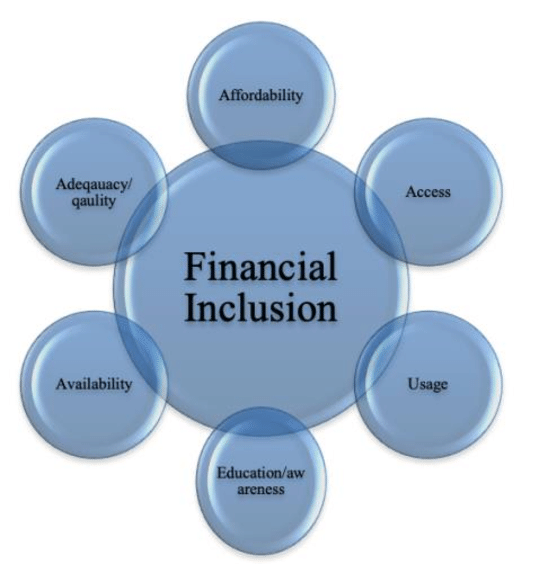
    Financial inclusion means ensuring everyone—regardless of background—can access and effectively use affordable financial services like:

    • Bank accounts
    • Loans and credit
    • Insurance
    • Investment platforms
    • Financial education

    Inclusion doesn’t just help individuals—it strengthens entire communities, boosts local economies, and fuels long-term growth.

    When people can participate in the financial system, they can build stability, resilience, and generational wealth.

    How Tech Is Closing the Gap

    Innovative technologies are leveling the playing field in powerful ways. Here are some game-changers:

    1. Mobile Banking and Digital Wallets

    With just a smartphone, people in remote or underserved areas can:

    • Open accounts
    • Send and receive payments
    • Save and access microloans

    Platforms like M-Pesa, Venmo, and Cash App bring financial access to those outside traditional banking systems.

    2. Blockchain and Decentralized Finance (DeFi)

    Cryptocurrency and DeFi solutions offer:

    • Borderless transactions
    • Lower fees
    • Access without credit checks or paperwork

    This opens doors for people in developing nations or underbanked communities to store and grow their assets securely.

    3. AI and Personalized Finance Tools

    AI-powered apps like budgeting tools and robo-advisors:

    • Offer tailored financial advice
    • Help users manage debt
    • Guide them toward savings and investments

    These tools make wealth-building knowledge more accessible and less intimidating.

    4. EdTech for Financial Literacy

    Interactive platforms and apps provide bite-sized, practical financial education—breaking down complex topics like credit scores, taxes, investing, and loans for everyday users.

    Knowledge is power—and education is a key driver of inclusion.

    Barriers That Still Need Tackling

    Despite progress, challenges remain:

    • Digital literacy gaps
    • Limited internet or smartphone access
    • Distrust in financial institutions
    • Biases in credit algorithms

    Tech must be intentionally inclusive, designed with empathy and accessibility at its core.

    What the Future Could Look Like

    Imagine a world where:

    • A farmer in rural Kenya accesses a loan via mobile
    • A gig worker in the U.S. builds credit with real-time earnings tracking
    • A teenager learns investing basics through gamified finance apps
    • A refugee uses blockchain to securely store and transfer funds

    This isn’t wishful thinking—it’s already happening, and the future is in scaling these solutions globally.

    Final Thought: Inclusion Is Innovation

    Tech alone won’t solve inequality but when paired with ethical design, community input, and smart regulation, it becomes a catalyst for financial justice.

    Bridging the wealth gap isn’t just about money. It’s about opportunity, dignity, and choice. And with the right tools, everyone deserves a fair shot at financial freedom.

  • How Finquity Is Redefining Inclusive Finance for the Next Generation

    How Finquity Is Redefining Inclusive Finance for the Next Generation

    In an era where digital transformation shapes nearly every aspect of life, financial services are evolving fast. But while innovation surges forward, not everyone has been brought along for the ride. That’s where Finquity comes in—redefining inclusive finance for the next generation.

    At its core, Finquity isn’t just another fintech platform. It’s a movement built on the belief that access, understanding, and equity are essential for financial systems to truly serve everyone.

    Bridging the Financial Gap

    Millions of people around the world remain unbanked or underbanked, often due to lack of access, trust, or resources. Finquity tackles this head-on by:

    • Designing easy-to-use tools for people at all levels of financial literacy
    • Offering services in multiple languages and cultural contexts
    • Building mobile-first platforms to reach users in underserved or remote areas

    By meeting people where they are on their phones, in their communities, and within their comfort zones—Finquity is removing the barriers that have historically excluded many from participating in the financial system.

    Education Meets Empowerment

    Finquity understands that financial access means little without financial confidence. That’s why education is baked into every step of the user journey.

    From bite-sized lessons on credit and budgeting to personalized guidance on investments or savings goals, Finquity equips users not just to use financial tools, but to master them.

    When people understand their finances, they make smarter choices—and feel more empowered doing it.

    Built for the Future — Not Just the Few

    Where traditional systems were designed for the already-included, Finquity takes a different approach. Its technology is:

    • AI-powered and personalized to adapt to users’ goals
    • Transparent and ethical, putting users in control of their data
    • Built for impact, with features that encourage long-term wealth-building, not just short-term transactions

    Whether someone is building credit for the first time, starting a business, or managing gig income, Finquity provides a financial path that grows with them.

    Creating Community Through Finance

    Unlike faceless banks or impersonal apps, Finquity emphasizes community connection:

    • Peer-to-peer support and success stories
    • Localized outreach and partnerships
    • Feedback loops that shape new tools based on real needs

    This model creates trust—and trust is the currency that powers inclusive finance.

    The Next Generation Deserves Better

    Today’s young people are more diverse, more tech-savvy, and more socially conscious than any generation before. But they also face rising costs, student debt, income volatility, and a shifting job landscape.

    Finquity is designed for this reality. It reimagines what finance can look like in a world where fairness, transparency, and inclusion are non-negotiables.

    The future of finance isn’t just digital—it’s equitable. And Finquity is helping build it.

    Final Thought: Inclusion Is Innovation

    Finquity proves that financial innovation isn’t just about faster payments or fancier features. It’s about who has access, who feels seen, and who gets ahead.

    By centering inclusion, education, and trust, Finquity isn’t just redefining finance it’s reshaping the future of financial equity for generations to come.

  • Financial Equity in the Digital Age: Why Access Matters More Than Ever

    Financial Equity in the Digital Age: Why Access Matters More Than Ever

    In a world that’s increasingly digital, how we bank, invest, save, and spend has changed dramatically. From mobile banking apps to online investments, the financial world is more connected and innovative than ever. But with this progress comes an urgent question: Is everyone benefiting equally?

    Welcome to the conversation on financial equity in the digital age—where access isn’t just a convenience, but a necessity.

    What Is Financial Equity?

    Financial equity means fair access to financial tools, services, and opportunities—regardless of income level, background, or geography.

    It’s not just about having a bank account. It’s about:

    • Being able to build credit
    • Getting fair loan rates
    • Having access to investment platforms
    • Receiving financial education and guidance
    • Participating fully in the digital economy

    In short: financial equity ensures everyone gets a seat at the table.

    The Digital Revolution: A Double-Edged Sword

    Technology has made finances more efficient, but it’s also created new divides. Here’s how:

    The Upside

    • Mobile banking reaches remote and underserved areas
    • Fintech apps help people budget, invest, and save
    • Online loans and peer-to-peer lending open new funding options
    • Cryptocurrencies and decentralized finance offer alternatives to traditional banking

    The Downside

    • Lack of digital literacy creates barriers
    • Unstable internet access limits participation
    • Predatory platforms target uninformed users
    • Low-income and marginalized communities still face systemic exclusion

    So while digital tools can be a great equalizer, without intentional design and outreach, they may just widen the gap.

    Why Access Matters Now More Than Ever

    1. Digital = Default
      Most services are moving online. Without access, individuals risk being locked out of financial systems entirely.
    2. Emergency Resilience
      COVID-19 showed us how crucial online banking and digital payments are during crises. Those without access were left behind.
    3. Building Generational Wealth
      Access to tools like investing, credit-building, and affordable financial advice isn’t a luxury—it’s how people rise out of economic stagnation.
    4. Empowerment through Information
      In the digital age, knowledge is power and access to that knowledge must be equitable.

    What Can Be Done to Bridge the Gap?

    • Fintech companies must prioritize inclusive design and offer support for users with varying tech literacy levels.
    • Governments and institutions must invest in digital infrastructure—especially in rural and underserved communities.
    • Educational initiatives should focus on teaching basic finance and digital skills from an early age.
    • Community programs and nonprofits can serve as bridges helping individuals navigate new tools and systems.

    True innovation is inclusive. The future of finance must be built for everyone, not just the digitally fluent or financially fortunate.

    Final Thought: Equity Is the New Essential

    In the digital age, financial equity isn’t a fringe issue it’s central to economic growth, innovation, and social justice. Access isn’t a privilege. It’s the foundation of opportunity.

    Whether you’re a tech developer, policymaker, or everyday consumer, we all have a role in shaping a system that works for everyone.

    Because financial progress means little if it leaves people behind.

Design a site like this with WordPress.com
Get started